
Bardamu’s Mother
Journey to the End of the NightThis flow traces the distance between Bardamu and his mother, whose resigned beliefs offer care without understanding his experience.
increasing Bearing strength in each event
 decreasing
Bearing strength in each eventdecreasingA Visit in Convalescence
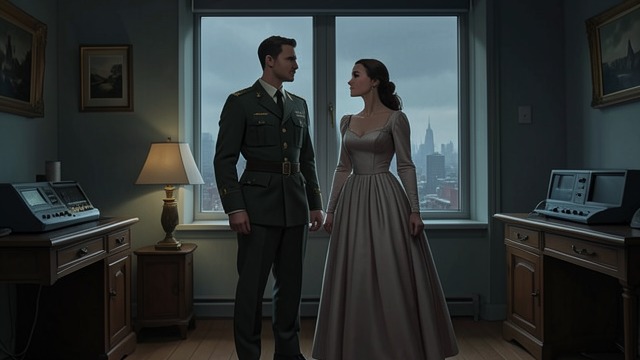
A Visit in Convalescence
Familiar affection
Bardamu’s mother visits him after the war has left him frightened and unstable. She greets him with the tenderness of someone who believes that care can repair his condition.
A different account of suffering
She interprets poverty and misfortune as burdens the poor must endure. Bardamu recognizes that her consolations cannot address his rejection of war.
The Walk Through Poverty
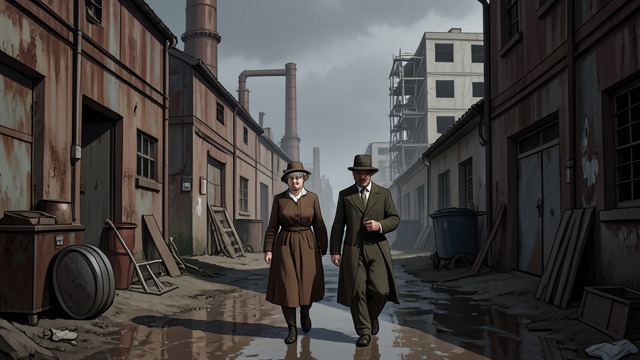
The Walk Through Poverty
A landscape of deprivation
Bardamu walks with his mother through poor districts filled with factories, mud, and unfinished housing. The surroundings make visible the class conditions she has accepted as ordinary.
A limited bond
She can sympathize with hardship but cannot imagine a way out of it. Their affection persists alongside a deep difference in understanding.
The Mother’s Consolations
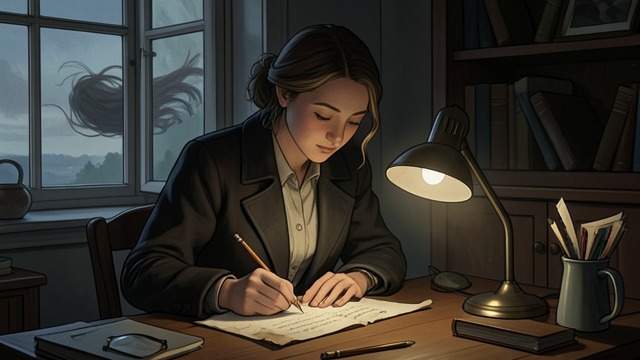
The Mother’s Consolations
Advice from afar
Bardamu’s mother writes urging him to care for his health, even when his circumstances are desperate. Her familiar advice becomes an emblem of her inability to grasp his real danger.
Maternal optimism
She insists that the world is ultimately kindly and that suffering has its reasons. Bardamu regards this optimism as a protective illusion rather than truth.
Absence and Memory
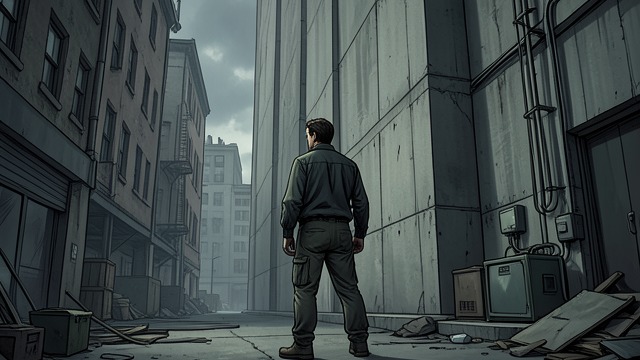
Absence and Memory
Visits postponed
Bardamu admits that he has not visited his mother for a long time. His own exhaustion and fear make even family contact feel like another demand.
A life left behind
The relationship remains one of affection without a shared account of the world. His mother’s shop and beliefs belong to a past he can neither recover nor fully reject.
The Son’s Unresolved Debt
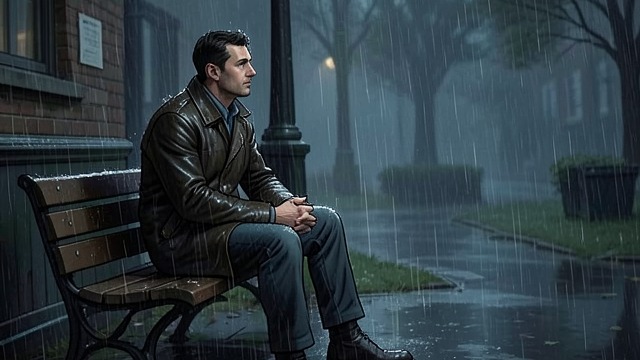
The Son’s Unresolved Debt
Regret without return
Bardamu recalls missed visits and the small deaths his mother reported to him. He knows that he often failed to ask people the questions that mattered while they were alive.
A bond beyond repair
His attachment survives, but it cannot undo absence or restore understanding. The mother-son relationship becomes part of his larger sense of irreversible loss.
During Bardamu’s recovery in a military hospital
During a Sunday visit in the suburbs
During Bardamu’s early medical practice
During Bardamu’s years in Rancy
During Bardamu’s later reflections in Vigny
